🥕 Gardening to Grow Your Own Food: A Beginner’s Guide
Want to grow your own organic vegetables? Learn how to start small, choose the best seeds, and grow healthy produce in your backyard garden.
With rising concerns over food quality, pesticides, and GMOs, more people are turning to organic gardening to take control of their food supply. Growing your own vegetables not only saves money but also gives you peace of mind knowing exactly what you’re eating.
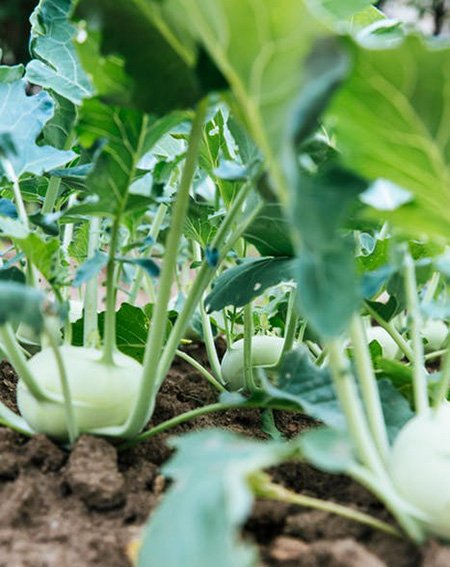
🥦 Why Grow Your Own Food?
Health concerns over GMOs, pesticides, and additives.
Superior taste – a homegrown tomato or cucumber often tastes far better than store-bought.
Self-sufficiency and food security.
Sustainability and environmental impact.
Searching “how to grow your own vegetables” is trending upwards—an indicator that this is more than a fad. It’s a lifestyle choice.
🌱 Start Small and Grow With Confidence
If you’re new to food gardening:
- Begin with easy-to-grow vegetables like lettuce, spinach, tomatoes, radishes, or green beans.
- Choose containers or raised beds for better soil control.
- Focus on just 2–4 types of vegetables in your first season.
🌍 Location and Soil Matter
- Pick a location that gets 6–8 hours of sunlight daily.
- Use high-quality soil—ideally organic potting soil or compost-rich garden soil.
- Avoid contaminated areas such as near treated wood, old sheds, or heavily trafficked roads.
🌾 The Importance of Organic Seeds
To ensure full control of what you’re growing:
- Buy organic, non-GMO seeds from trusted suppliers.
- Start from seeds to manage the full growth process, especially if you’re aiming for chemical-free food.
🕒 Patience Is Part of the Process
Growing food requires patience. Most crops take 30 to 90 days to mature.
- Microgreens, like arugula or mustard greens, are ready in just 10–14 days and offer high nutritional value.
- Stagger your planting to enjoy a steady harvest instead of one big yield all at once.
🌿 In Summary: The Garden of Health
Yes, gardening takes effort. It requires prep work, research, and daily care—but the rewards are immense. When your garden finally produces its first ripe tomato or bunch of kale, you’ll understand why the effort was worth it.
From reducing your grocery bill to increasing your nutritional intake, growing your own food can transform your health and your relationship with what’s on your plate.